- ELECTRODE BOILER TECHNOLOGY
Why ZETA?
ZETA electrode boilers have stood the test of time, becoming a de facto standard across Europe and parts of Asia through installations delivered by Swedish engineering company Zander & Ingeström AB. ZETA now brings this proven technology to the North and South American markets.
The technology offers safer operation and distinctive features, including direct grid connection without an isolation transformer, reduced hydrogen-explosion risk, rapid startup, low-energy standby, and wide output modulation.
ZETA electrode boilers have stood the test of time, becoming a de facto standard across Europe and parts of Asia through installations delivered by Swedish engineering company Zander & Ingeström AB. ZETA now brings this proven technology to the North and South American markets.
The technology offers safer operation and distinctive features, including direct grid connection without an isolation transformer, reduced hydrogen-explosion risk, rapid startup, low-energy standby, and wide output modulation.
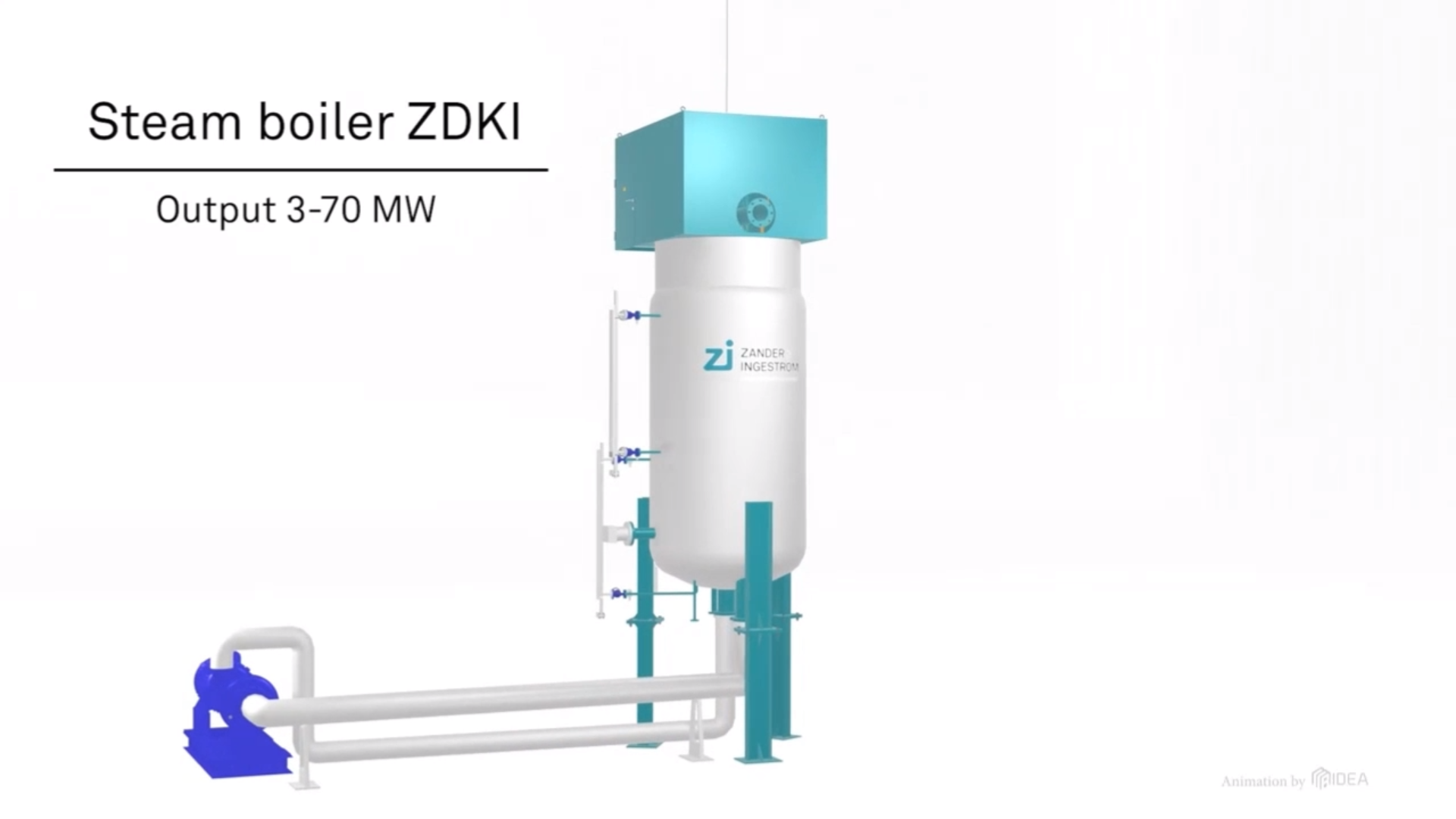
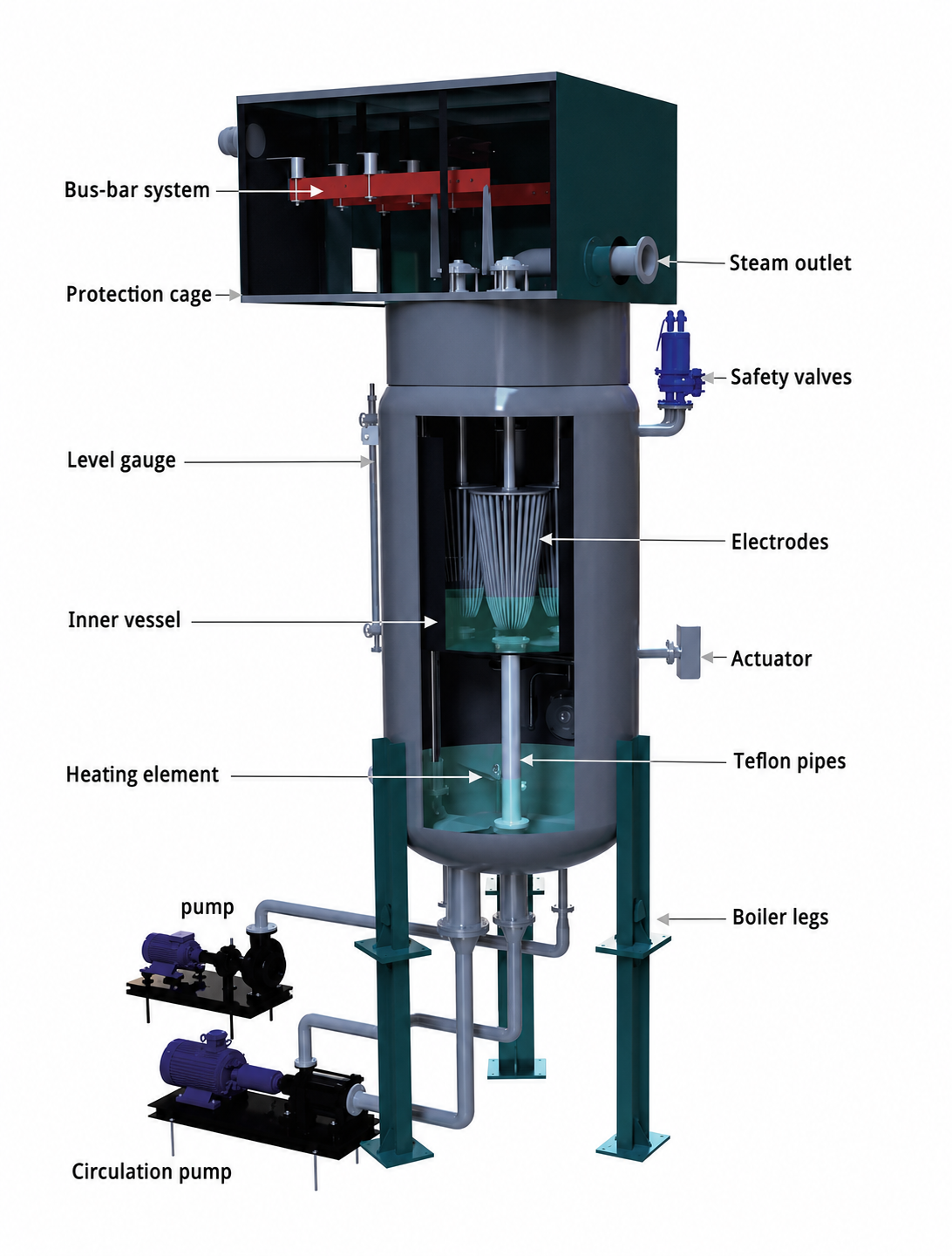
Here is how ZETA’s immersion-electrode boilers operate:
- Feedwater enters the boiler’s outer vessel through the feedwater pump.
- A circulation pump moves water from the outer vessel into the inner vessel.
- Medium-voltage electricity is supplied to the immersed electrodes.
- Electrical current flows through the boiler water, and the water’s resistance converts the electrical energy into heat.
- Steam/Hot Water output is controlled by raising or lowering the water level in the inner vessel. A higher water level submerges more electrode surface, increasing power and heat production.
The ZETA Advantage
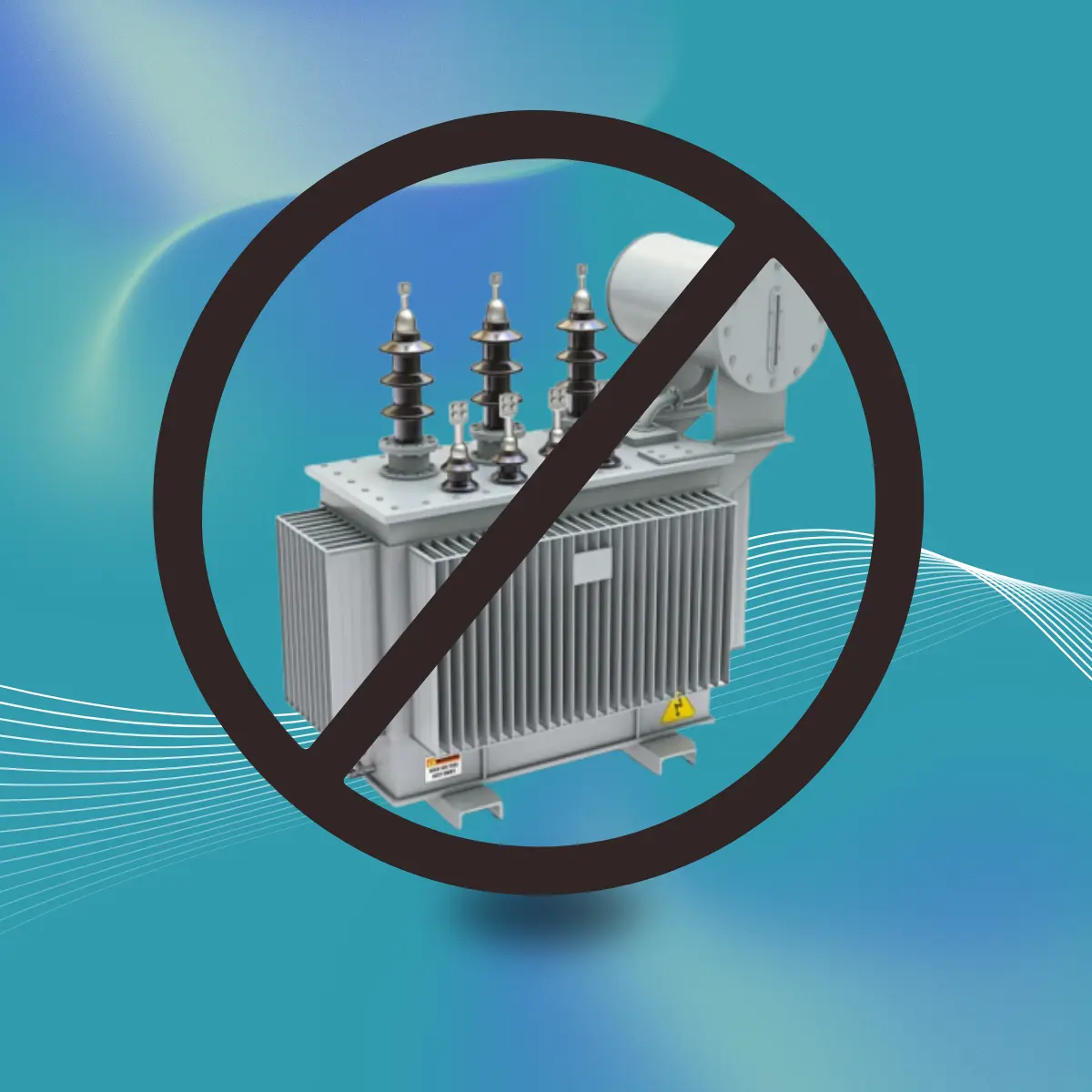
No Isolation Transformer Required
ZETA’s insulated inner tank minimizes leakage current, allowing direct medium-voltage grid connection without an isolation transformer, subject to local utility requirements and project conditions.
Direct Medium-Voltage Connection
An isolation transformer is typically used to electrically separate equipment from the grid and reduce unwanted current paths to ground, converting an incoming three-wire electrical supply into a four-wire connection suitable for the boiler.
ZETA’s insulated inner tank provides 3,000 Ω of resistance to ground, limiting leakage current and allowing direct connection to a three-wire medium-voltage supply.
Reduced Hydrogen Explosion Risk
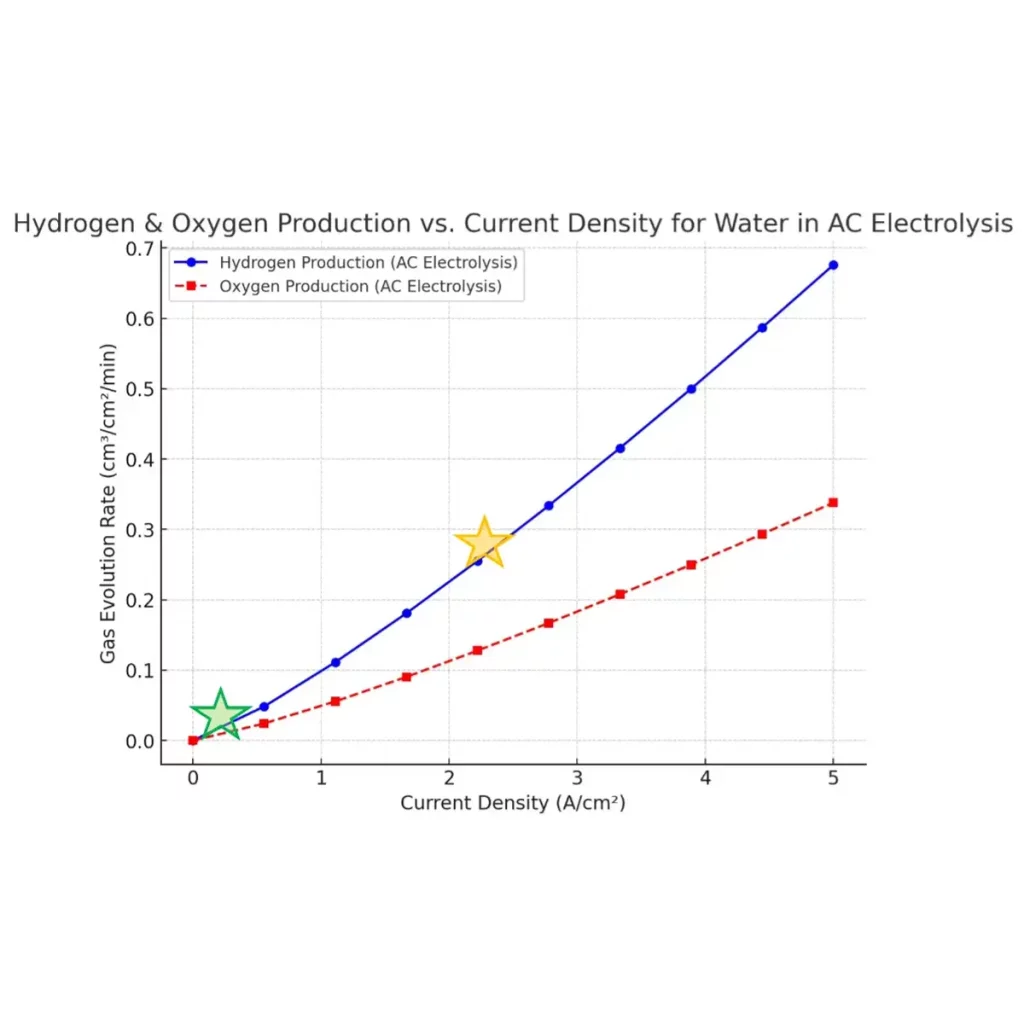
ZETA’s electrode surface distributes current over a wider area, lowering current density and thereby limiting electrolysis and reducing the risk of explosion caused by hydrogen accumulation.
About Hydrogen Safety
All AC electrode boilers can generate small amounts of hydrogen and oxygen through water electrolysis. The amount produced depends on the boiler design, current density, and system configuration.
Following a hydrogen explosion in an auxiliary steam system at the Leibstadt Nuclear Power Plant in 1995, Zander & Ingeström evaluated the hydrogen-generation risk in ZETA boilers. The study concluded that:
- ZETA boilers maintain a low current density of approximately 0.13–0.15 A/cm².
Hydrogen measurements from operating ZETA boilers reach approximately 50–65 ppb at maximum boiler load. Industrial safety standards typically require hydrogen concentrations to remain below 4,100 ppm for safe operation.
Reduced Arcing and Wear
About Reduced Arcing and Wear
Arcing is an unintended electrical discharge caused by an unstable or concentrated current path. High conductivity, scale buildup, uneven flow, or electrode wear can increase this risk.
ZETA maintains a stable, evenly distributed current path through:
- Fully submerged, large-surface-area electrodes
- No nozzles or moving control shields
- Controlled water level and circulation
- Conductivity monitoring, water treatment, and blowdown
These features reduce localized electrical stress, arcing, electrode wear, and maintenance requirements. ZETA electrodes include a five-year guarantee.
High-Purity Steam
What Steam Quality Means
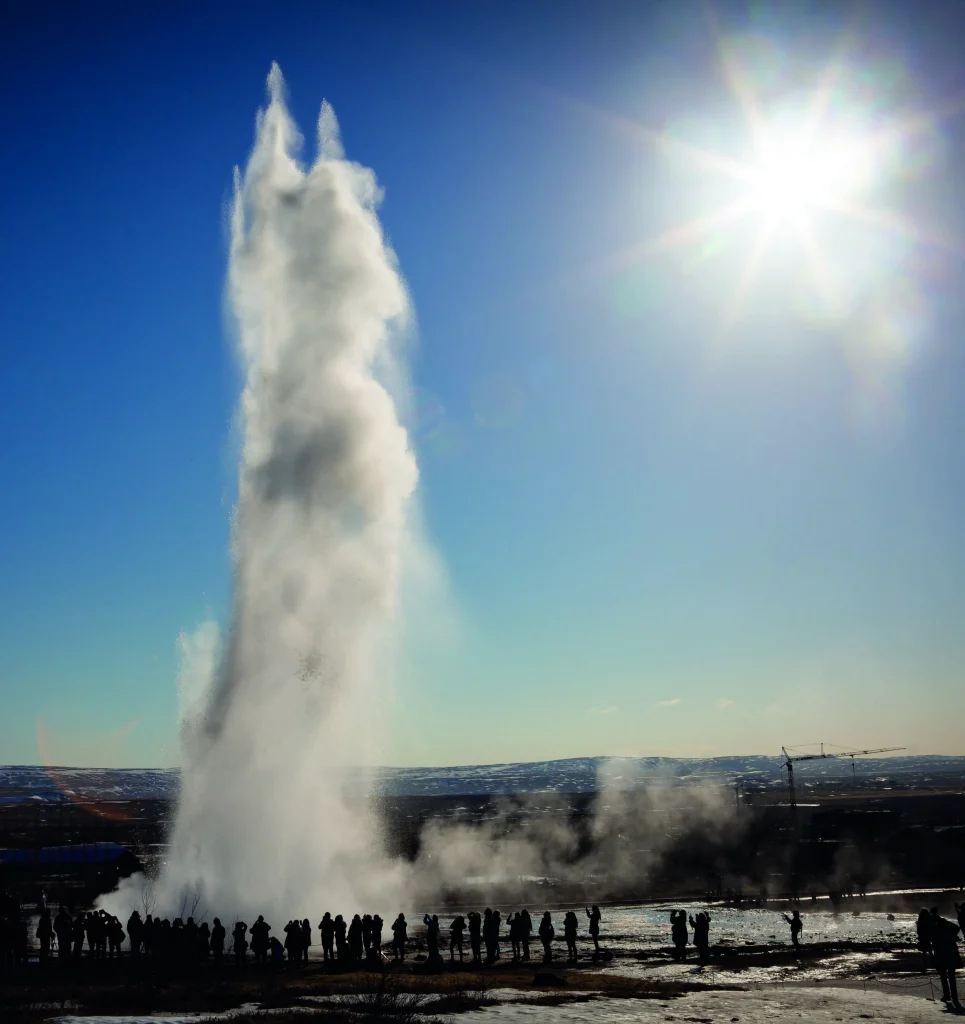
Steam quality measures the percentage of dry vapour in the steam. Higher-quality steam improves heat transfer and process consistency while reducing moisture carryover and water-hammer risk.
How ZETA Produces High-Quality Steam
The boiler’s large internal cross-sectional area keeps steam velocity low, while the calm water surface limits turbulence. The large steam space provides sufficient height, preventing liquid water from being carried into the steam outlet.
Direct Hot-Water
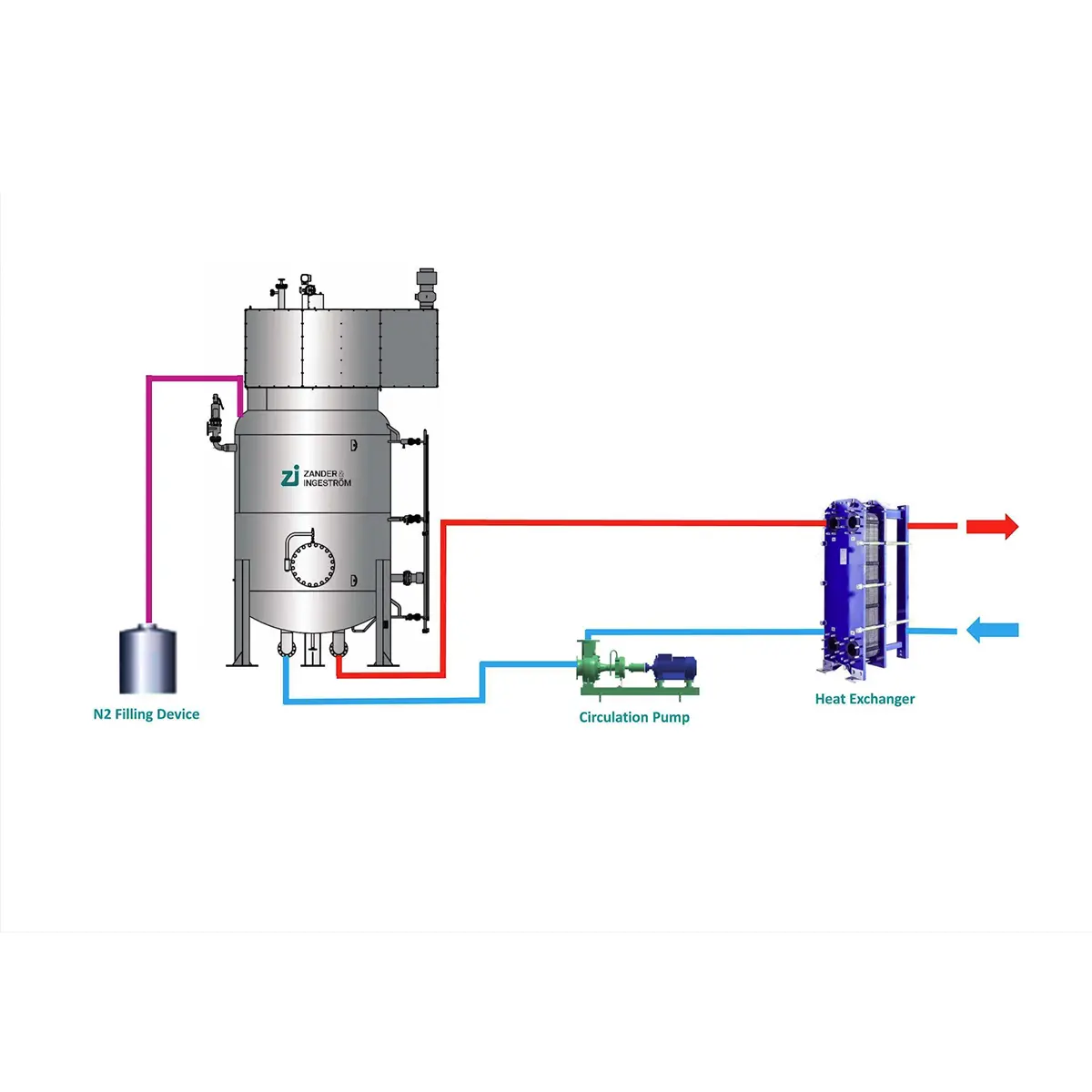
ZETA offers a full line of hot-water boilers that heat water directly, eliminating the need for an intermediate steam cycle and additional phase-change equipment.
About Direct Hot-Water Production
ZETA heats water directly without first generating and condensing steam, reducing the need for:
- Steam-to-water heat exchangers
- Steam traps and separators
- Condensate-return equipment
- Steam-side piping and controls
This reduces installation complexity and maintenance requirements while simplifying integration with industrial hot-water loops.