District Energy

Campus steam · community energy loops · heating networks

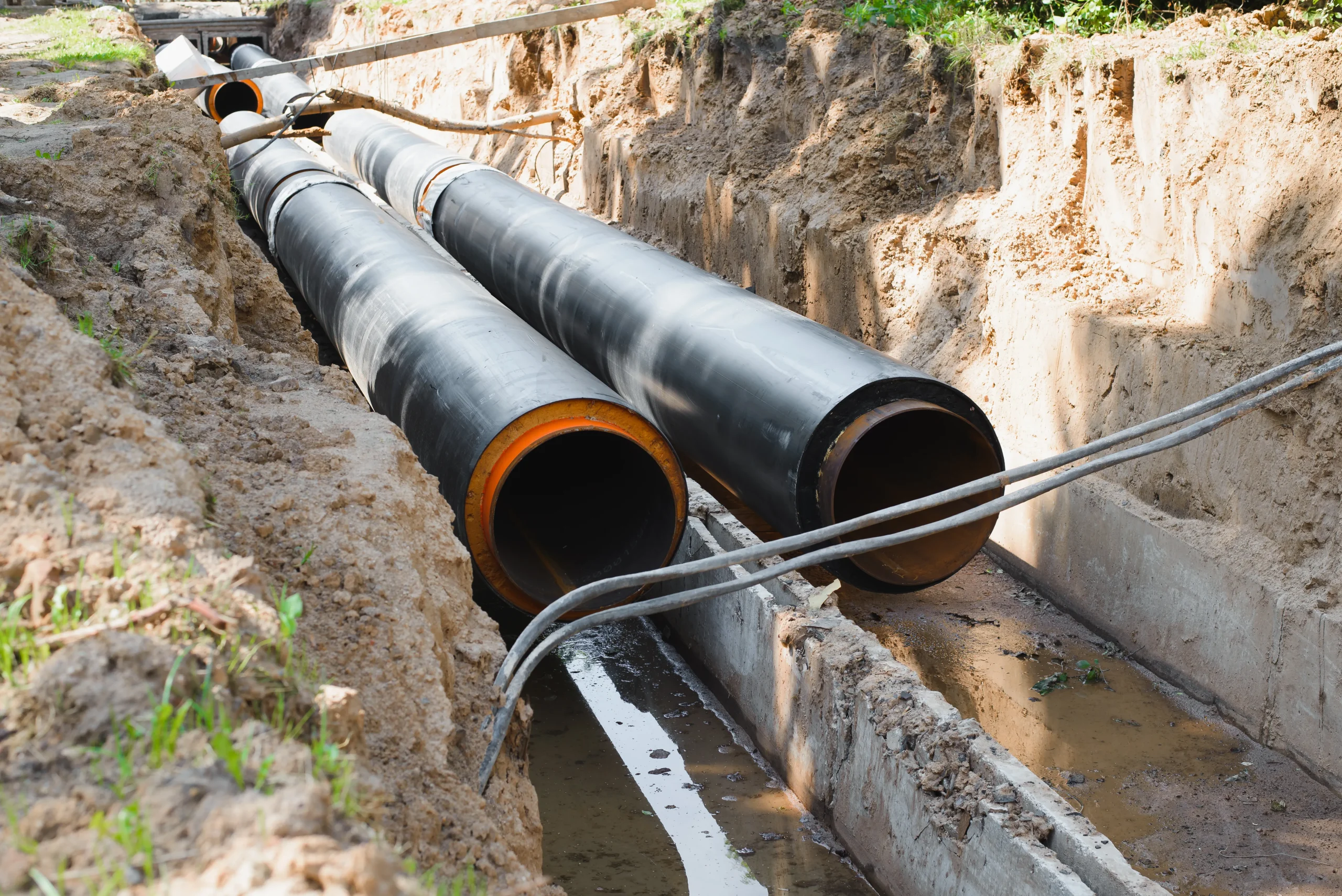
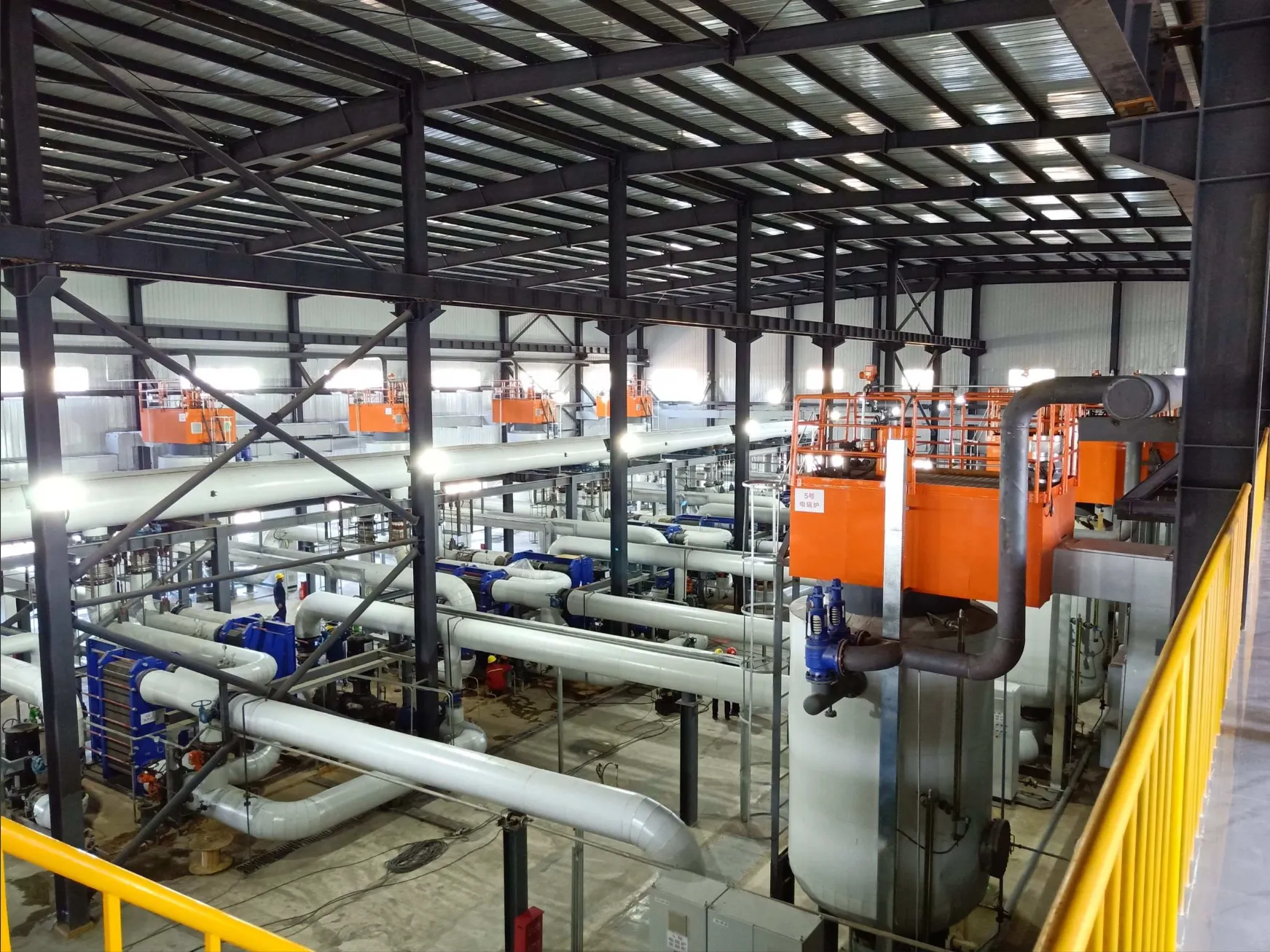
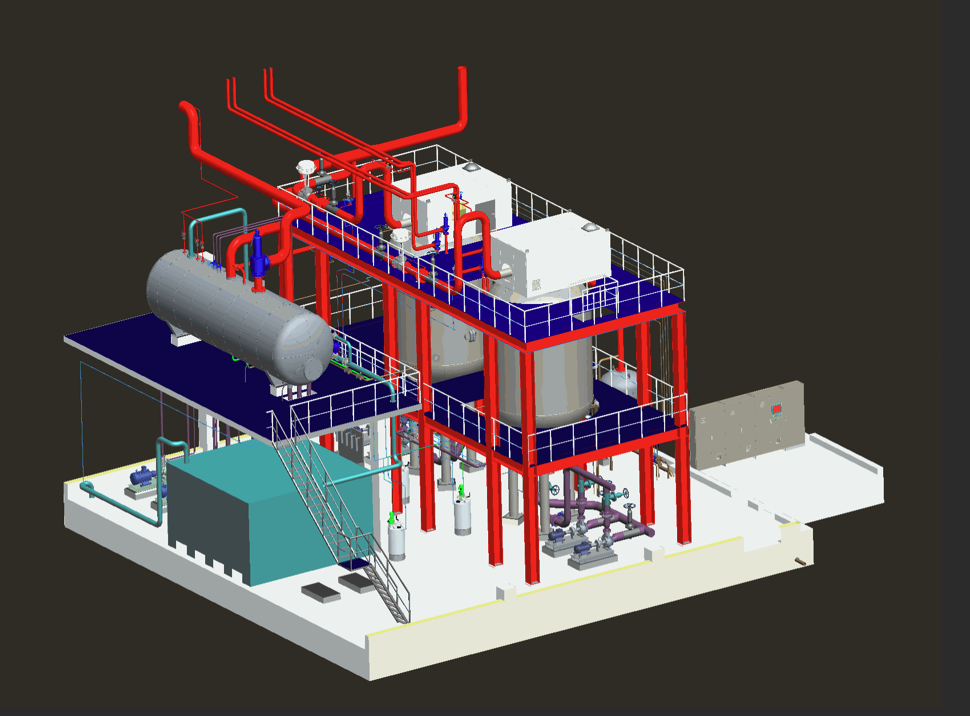
District energy systems use centralized steam or hot water, and ZETA boilers support these networks with fast response, high-capacity electric heating, simplified integration, and thermal storage flexibility.

High-Capacity Centralized Heating

Up to 70 MW Power Input · 100 ton/h Steam Output

Fast-Response Production

ZETA boilers can be online in approximately 30–60 seconds from standby and modulate from 3–100% to match changing steam or hot-water demand.

Simplified Integration

ZETA boilers can connect directly to medium voltage without an isolation transformer and generate hot water without separate phase-change equipment, subject to project and utility requirements.

References

Reference — McMaster University

Company

McMaster University

Type

High-Voltage Electrode Steam Boiler
Model
ZDKI-3200
Capacity
2 × 9 MW / 60,000 lb
Pressure Certifications
CRN
Electrical Certifications
CSA / electrical compliance
Estimated CO₂e Reduction

23% reduction in campus carbon emissions

McMaster selected two ZETA high-voltage electrode steam boilers to significantly expand electric steam capacity and advance its Net Zero Carbon Roadmap. The boilers will integrate with the existing campus steam system, providing fast, responsive steam production for heating and utility demand. While also reducing additional electrical infrastructure and simplifying integration.
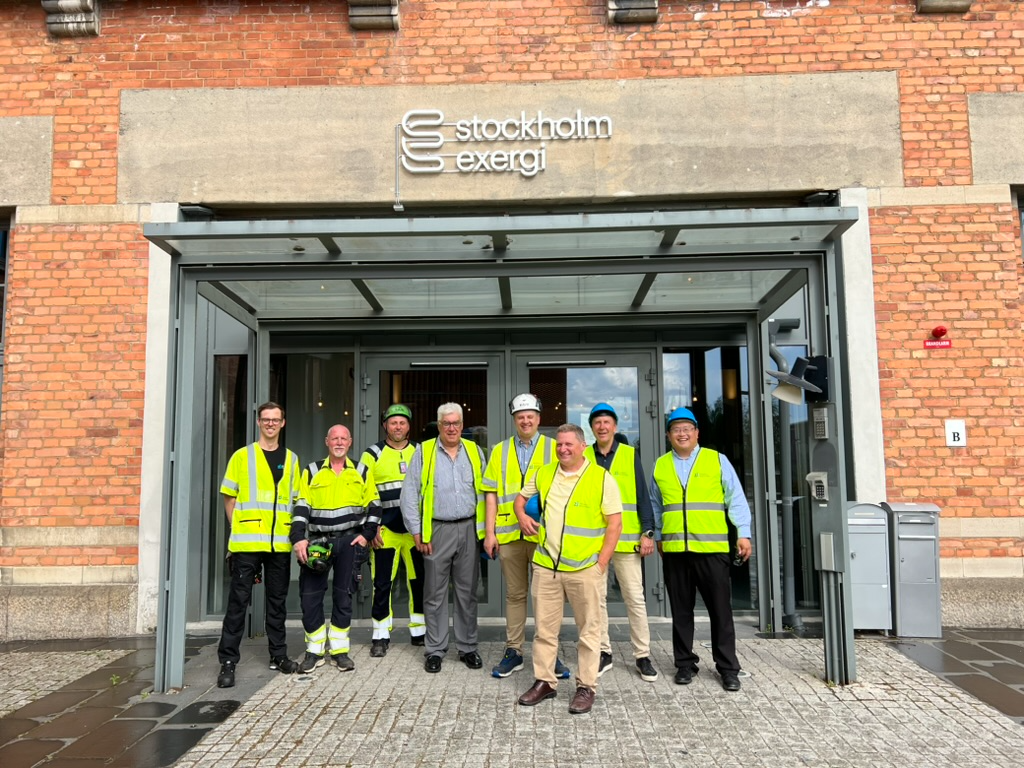
Reference — Stockholm Energi

Company

Stockholm Energi

Type

High-Voltage Electrode Steam Boiler
Model
ZDKI-3200
Capacity
2 × 9 MW / 60,000 lb
Pressure Certifications
CRN
Electrical Certifications
CSA / electrical compliance
Estimated CO₂e Reduction

23% reduction in campus carbon emissions

McMaster selected two ZETA high-voltage electrode steam boilers to significantly expand electric steam capacity and advance its Net Zero Carbon Roadmap. The boilers will integrate with the existing campus steam system, providing fast, responsive steam production for heating and utility demand. While also reducing additional electrical infrastructure and simplifying integration.
Additional References