Ethanol / Biofuels

Fermentation · distillation · cleaning · plant utilities

Ethanol and biofuel facilities use process steam for production, cleaning, heating, and plant utilities while working to reduce fossil-fuel use and support lower-carbon production.

Industry Overview

Ethanol and biofuel facilities use process steam for production, cleaning, heating, and plant utilities while working to reduce fossil-fuel use and support lower-carbon production.

Potential U.S. and Canadian Incentives
Using low-carbon electricity to produce process steam may help eligible renewable-fuel producers generate value through the U.S. Section 45Z Clean Fuel Production Credit and Canada’s Clean Fuel Regulations credit market, subject to project-specific eligibility.
Flexible Capacity

ZETA boilers consume less than 50 kW in warm standby and generate no heat until called into operation. This helps reduce explosion risk while keeping backup or supplemental capacity readily available.

Low-Pressure Process Steam

5–20 bar Steam · 3–70 MW

References

Company

Avebe Production Malmö / Avebe Stadex

Type

Steam Boiler

Capacity
1 × 6 MW
Pressure Certifications
PED — confirmation required
Electrical Certifications
Other local approvals — confirmation required
Specs from List
16 bar / 6 MW
Notes
Starch processing / bio-based industrial process steam
Estimated CO₂e Reduction
2,614 tonnes per year

Avebe Stadex in Malmö uses significant amounts of steam in its starch production process, where potato-based raw materials are processed into bio-based food ingredients. While this is not an ethanol production facility, it is a relevant bio-based process steam reference.

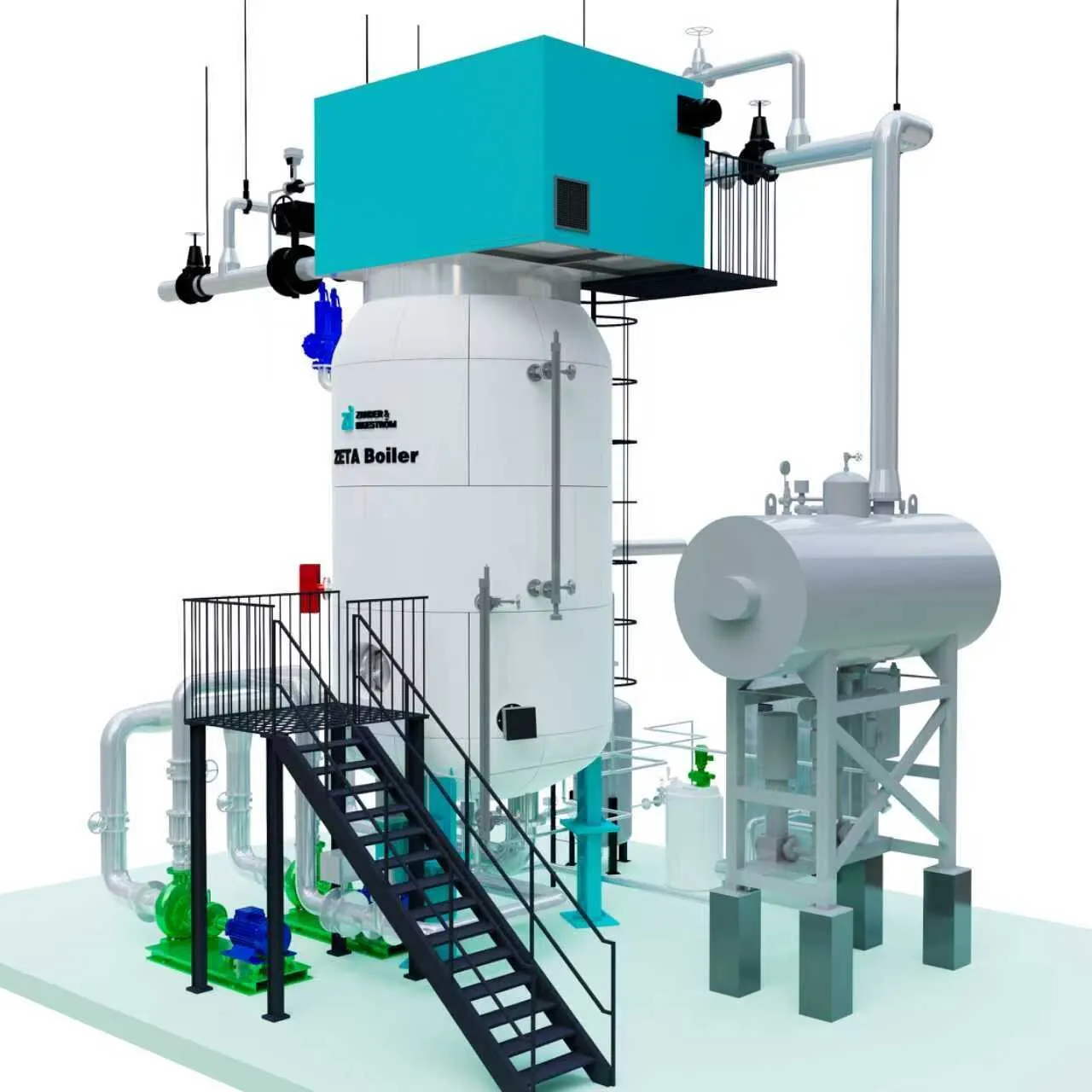
To support its climate and sustainability goals, Stadex replaced its natural gas-fired boiler with a ZETA electric boiler. The project improved energy efficiency by about 7% compared to the previous gas-fired system.

Additional References

St1 Biokraft

4 MW steam boiler